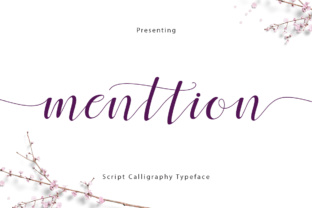
Brigham Script: A Modern Handwritten Font for Standout Design
Brigham Script is a beautiful and stunning handwritten font with a contemporary feel that can elevate your design projects to new heights. Its modern and smart appearance makes it an excellent choice for anything from branding to digital content. However, many creators overlook key details when choosing or using Brigham Script, which can affect the overall impact of their work. This article will guide you through common pitfalls and provide practical advice on how to use Brigham Script effectively.
What Is Brigham Script?
Brigham Script is a typeface designed to mimic the look of handwriting while maintaining a clean, professional aesthetic. It blends the organic flow of cursive writing with the precision of modern typography. This unique combination gives it a versatile appeal, making it suitable for both digital and print media.
Its contemporary feel ensures that it looks fresh and up-to-date, while still retaining a personal touch that can make your designs more engaging. Whether you're working on logos, invitations, websites, or marketing materials, Brigham Script can help your message stand out in a crowd.
Common Mistakes When Using Brigham Script
While Brigham Script is visually appealing, there are several common mistakes that can undermine its effectiveness. Here are some issues to watch out for:
- Overusing the font: Applying Brigham Script to every element of your design can lead to visual clutter. It's best used sparingly as a highlight or accent rather than a primary text font.
- Ignoring legibility: While the font has a stylish look, it's important to ensure that the text remains easy to read. Avoid using it for long paragraphs or small text sizes where clarity might be compromised.
- Misusing it in inappropriate contexts: Brigham Script may not be the best fit for formal documents or highly technical content. Its casual style could clash with the tone of such materials.
- Not checking licensing terms: Before downloading or purchasing Brigham Script, always review the licensing agreement to understand the rights you have for commercial use. Some fonts require additional permissions for certain applications.
How These Mistakes Can Affect Your Work
Each of these mistakes can have a significant impact on the quality and effectiveness of your design. Overuse can make your project look unprofessional or chaotic, while poor legibility can confuse your audience and reduce the message's impact. Choosing the wrong context for Brigham Script might also lead to a mismatch between your brand's image and the font's personality.
Failing to check licensing terms could result in legal issues, especially if you're using the font for commercial purposes without proper authorization. Always take the time to understand what you're allowed to do with the font before incorporating it into your work.
Practical Tips for Using Brigham Script Effectively
To get the most out of Brigham Script, consider the following tips:
- Use it as an accent: Reserve Brigham Script for headings, signatures, or short phrases where its stylistic flair can shine without overwhelming the rest of your design.
- Ensure readability: When using Brigham Script for body text, choose a larger font size and maintain sufficient line spacing. Avoid using it in low-contrast color combinations that can make the text hard to read.
- Match it with complementary fonts: Pair Brigham Script with a sans-serif or serif font for body text to create a balanced and professional look. This approach maintains readability while adding visual interest.
- Check the license: Always verify the font's licensing agreement before using it in any project. If you're unsure about the terms, reach out to the font provider for clarification.
- Test it in different contexts: Before finalizing your design, test Brigham Script in various scenarios to see how it performs. This includes checking how it looks on different devices, screen sizes, and print formats.
Examples of Better Approaches
Instead of using Brigham Script for all text on a website, consider applying it only to headlines or call-to-action buttons. This way, it adds visual appeal without compromising readability.
If you're designing a business card, use Brigham Script for the name and title but pair it with a more traditional font for the contact information. This creates a polished yet personalized look.
When creating a social media post, use Brigham Script for the caption or hashtags to draw attention and add a creative touch. Just make sure the text is large enough to be easily read on mobile screens.
What to Check Before Using Brigham Script
Before deciding to use Brigham Script in your project, take the time to evaluate the following factors:
- Purpose of the design: Consider whether Brigham Script aligns with the overall tone and message of your project. It works best for creative, casual, or artistic content.
- Target audience: Think about who will be viewing your design. If your audience prefers a more formal or professional look, Brigham Script may not be the best choice.
- Compatibility: Ensure that Brigham Script is compatible with the software or platform you're using. Some fonts may not render correctly on certain devices or operating systems.
- Cost and availability: If you're planning to use Brigham Script commercially, make sure you're purchasing the appropriate license. Free versions may come with limitations that could affect your project.
By carefully considering these factors, you can make an informed decision about whether Brigham Script is the right choice for your design needs.
With its modern and smart feel, Brigham Script can transform your design projects into standout pieces. By avoiding common mistakes and following best practices, you can ensure that your use of this font enhances rather than hinders your creative vision.